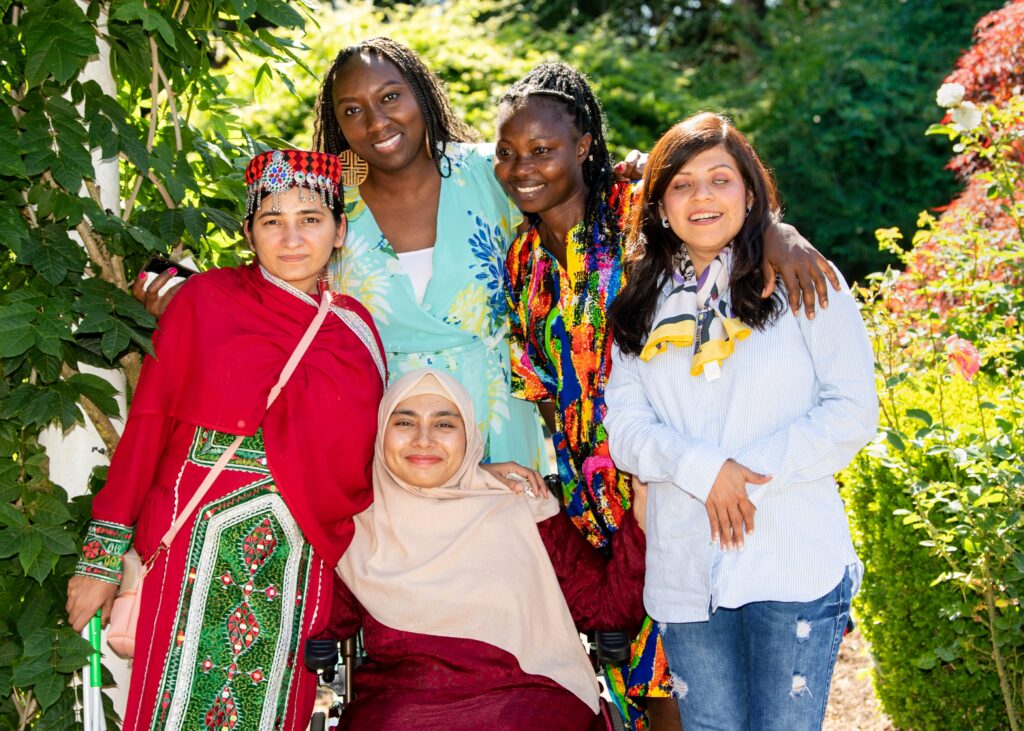
At a conference for international educators I presented with two engaging college students who use wheelchairs. One studied in China and the other went to Spain, with the same very reputable study abroad provider.
Each student had a great experience, but both had also been discouraged in their original attempts to study abroad through other program providers. Too often, the initial desire to go abroad ends prematurely for students with disabilities because of discouraging experiences that result in them giving up the search.
Students with disabilities, exchange providers, and disability professionals all experience moments of hesitation about the international experience, largely focused on whether the program will be “successful” for the student and if the individual is able to access all parts of the program. But what does access mean in a study abroad context and why do we worry about guaranteeing success for a student with a disability when we cannot guarantee this for any student?
The students in our session had no trouble identifying ways the programs could have improved accessibility; for example an inaccessible bus to a field excursion or a door jamb that was just a bit too high.
Did these less than perfect conditions mean that their experiences were not successful or valuable?
Attitude made all the difference for both of these students and their program staff. While the time and effort to arrange accessible housing, find wheelchair rentals, and survey building access was critical to the students’ participation, the program they went on embraces disability inclusion as an organizational value.
Even with hard work, the right attitude, and pre-planning, the programs weren’t perfectly accessible. The question is: where is the balance? When will a program work for a student even if it is not perfect?
Regardless of the disability, this is a question best answered by the person with a disability. Students need as much information as possible to make a decision for themselves, not for a professional to make it for them. After all, the person who has the highest stake in the success of their participation…is the individual with a disability.