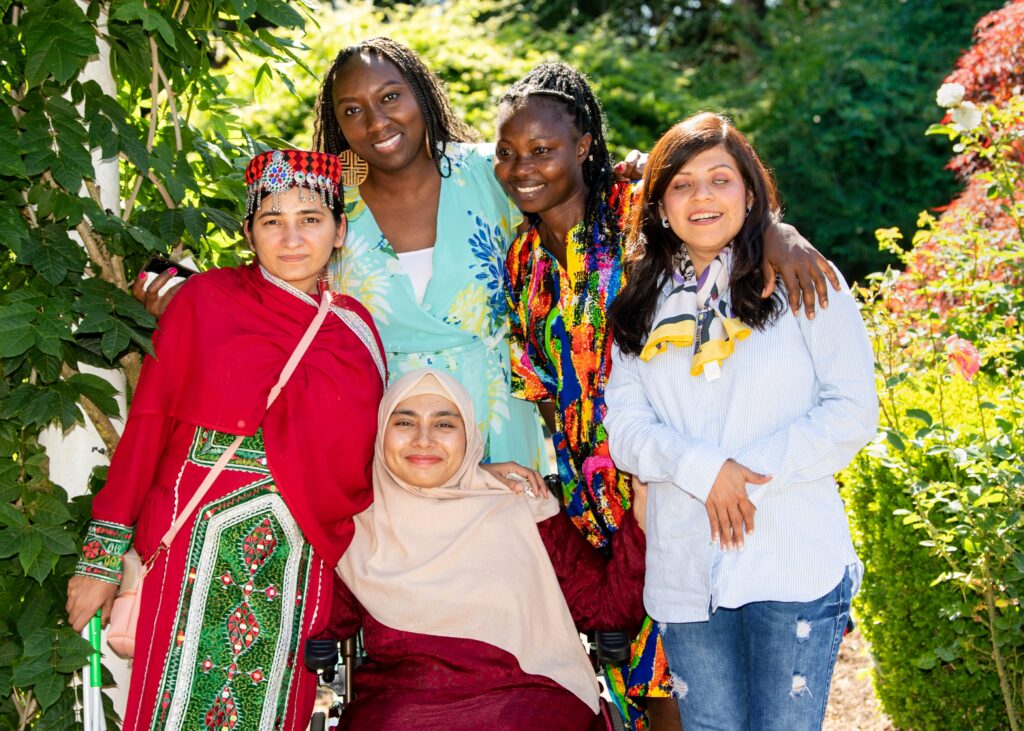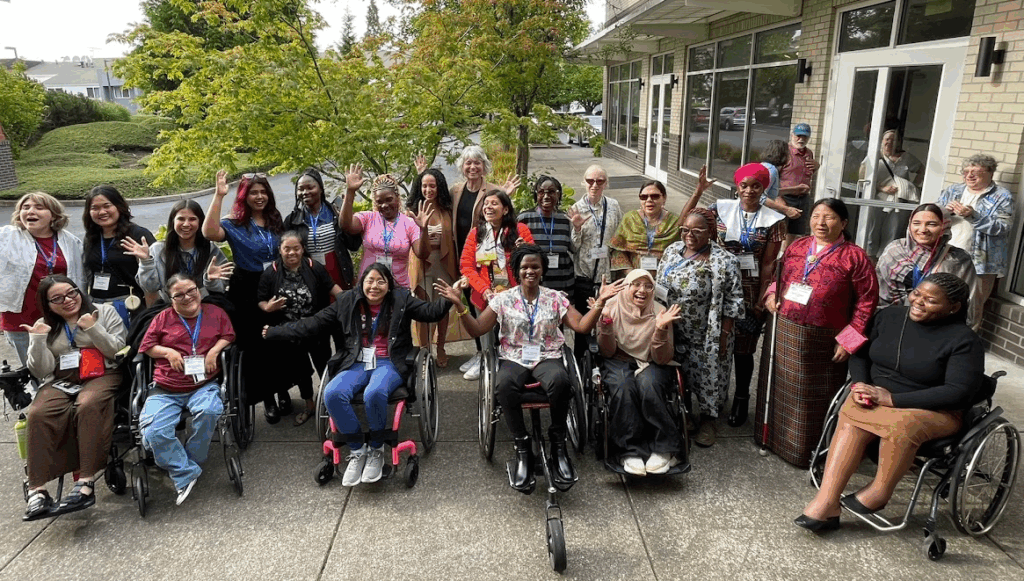
In June 2025, MIUSA welcomed Loud, Proud, and Passionate!® disabled women activists from 18 different countries to Eugene, Oregon, U.S.A., for the three-week Women’s Institute on Leadership and Disability (WILD) program. WILD brings together disabled women from predominately developing countries for an intensive three-week leadership experience, which includes seminars and site visits, dialogue with international development organizations, participating in recreational and team building activities, and staying with a U.S. homestay family.
However, WILD does not end after those three weeks in Eugene.
Upon returning to their home countries, each 2025 WILD delegate received a small grant from MIUSA to implement a WILD training in their own communities using the principles they learned during WILD, including ensuring cross-disability representation, an approach that was new for many delegates.
In total, these trainings have reached over 400 women and girls with disabilities across Armenia, Bangladesh, Benin, Bhutan, Colombia, Guatemala, India, Indonesia, Liberia, Malawi, Mexico, Mozambique, Pakistan, Peru, Romania, Tanzania, Thailand and Zimbabwe.
Each training engaged approximately 20 women and girls with diverse disabilities, and combined thematic workshops with empowerment activities. Training on topics such as Women’s Health, Inclusive Education, or Policy and Legislation, allowed for WILD leaders to share information from a disability rights perspective with participants in an interactive setting.
Empowerment activities including self-defense classes, arts and crafts, performances, professional makeup and hairstyling, and adaptive exercise, yoga, and wellness workouts allowed time for participants to bond with one another and build their self-confidence.
WILD trainers also collaborated with partner organizations and engaged expert facilitators in areas such as legal aid, women’s health, and self-defense to deliver specialized knowledge and skills to their participants. A recurring theme across trainings was that many participants reported encountering new information and engaging in activities for the first time.
The WILD in-country trainings also included an Action Planning component, which gave an opportunity for participants to commit to actions they will take to further empower women and girls with disabilities in their community as a result of their participation in WILD.
Through these newly established networks of local disabled women, WILD trainers continue to stay engaged with participants, supporting them as they implement their action plans and mobilize for future opportunities. Many also plan to expand their WILD trainings to other regions in the future, as well as collaborate on new projects with community partners.
MIUSA is proud to present all 20 completed WILD in-country trainings.
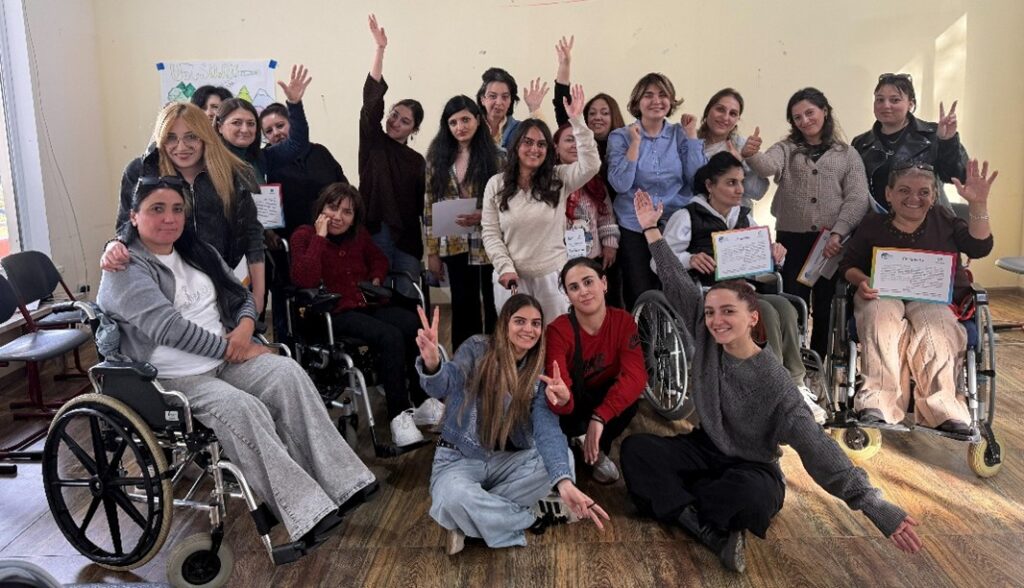
In Armenia, Amalya Harutyunyan led a three-day WILD training which brought together 20 women with disabilities for sessions on leadership, women’s health, self-care, and wellbeing, complemented by empowerment activities of photography and clay art therapy.
The training created rare safe spaces for open discussions on taboo topics, empowering participants while fostering peer learning, mentorship, and greater confidence in advocacy and self-expression.
One participant shared, “The topic of women’s reproductive health was very interesting. I received answers to all my questions in an accessible, understandable way. I also gained important knowledge about HIV and prevention, which I will now share in my environment so those around me are also informed.”
For next steps, Amalya is planning to develop more leadership and health-focused programs in partnership with local partner organizations.
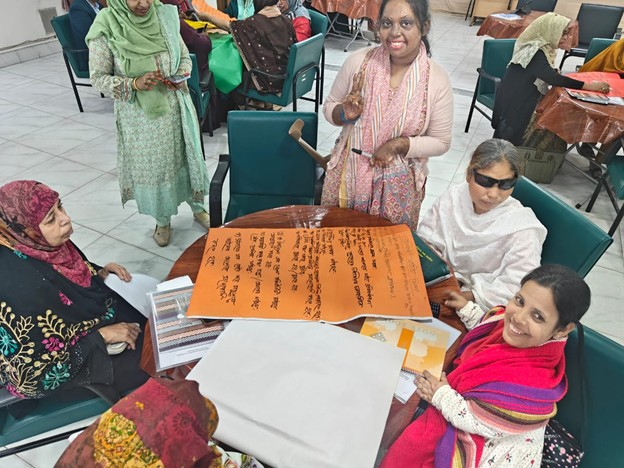
Led by WILD delegate Nazma Ara Begum, the one-day WILD-Bangladesh training brought together 20 women with disabilities to explore leadership, disability rights legislation, and inclusive well-being. Participants strengthened their understanding of national and international disability rights frameworks and gained confidence in advocating for legal protection, inclusion, and accessible services, while also experiencing adapted yoga as a tool for physical and mental well-being.
As Nazma reflected on the impact, “The overall impact has increased legal awareness, confidence, and commitment to advocacy among participants despite political unrest during implementation.”
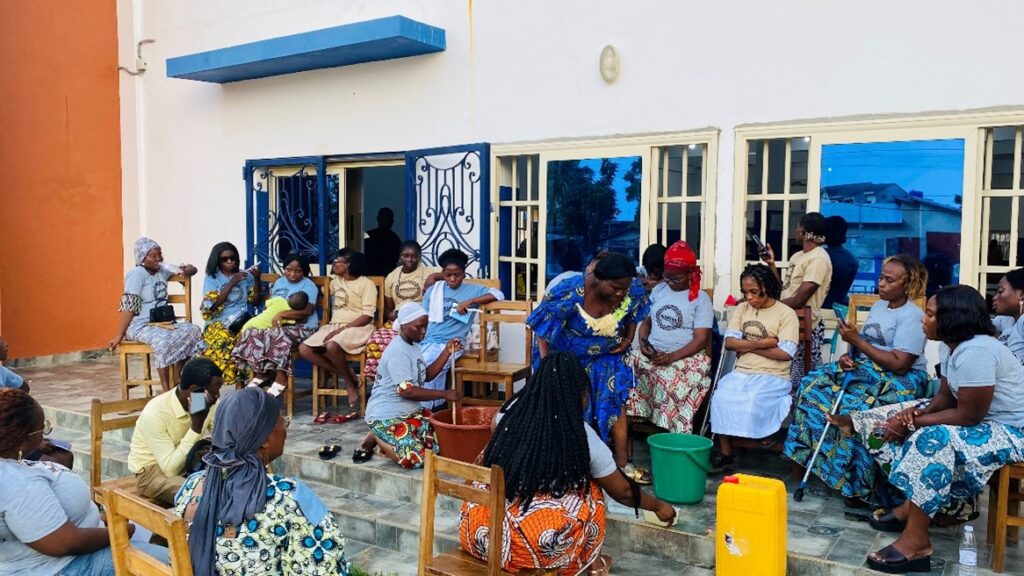
Woezon Digital Inclusion Bridge, led by WILD Delegate Marlise Montcho, hosted a leadership training in Benin for 22 women with disabilities focused on economic empowerment, solidarity, and collective action through discussions and an inclusive soap-making activity.
Participants developed advocacy action plans on issues including mentorship, mental health, sexual and reproductive health, and maternal care, with one participant sharing, “I no longer see myself as a victim, but as a leader.”
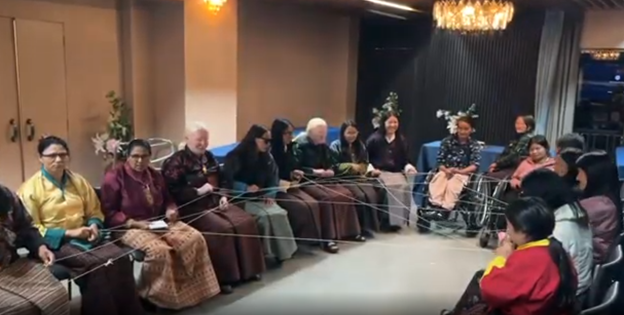
Kezang Choden led a powerful WILD-Bhutan training which brought together 16 women with disabilities for sessions on professional development, complemented by an adapted yoga session.
The training strengthened participants’ confidence, leadership identity, positive body image and well-being. Participants also reported a renewed sense of purpose and commitment to community action. Participants developing action plans focused on skills training, entrepreneurship, advocacy, and inclusion.
Reflecting on the impact, Kezang shared: “The training marked an important step toward promoting inclusive leadership and empowerment. It highlighted that when women with disabilities are provided with the right opportunities and support, they can become influential change-makers in their communities.”
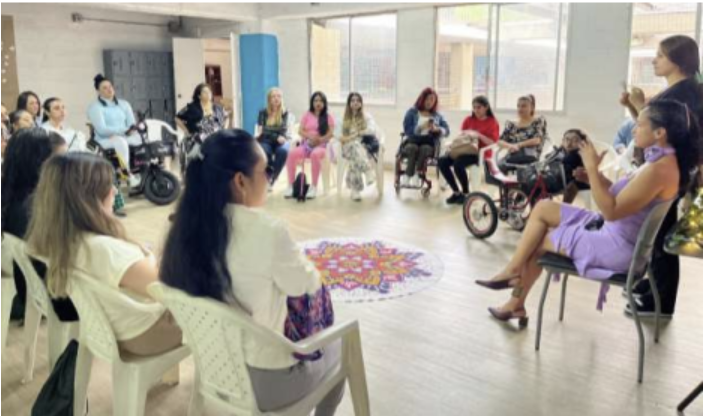
Andrea Herrera’s WILD-Colombia training brought together 19 women with disabilities for sessions on women’s health, wellbeing, safety, and bodily autonomy. The training also included an empowering burlesque workshop that encouraged self-expression, confidence, and connection with their bodies. Participants also developed action plans focused on peer support, self-care, leadership, and community empowerment.
As WILD Trainer Andrea noted: “Participants strengthened their relationship with their bodies, recognizing them as valuable, worthy, and powerful.”
For next steps, Andrea plans to continue dialogue with participants, replicate the training in other contexts, and secure new partnerships and funding to expand future WILD-based leadership initiatives for women with disabilities.
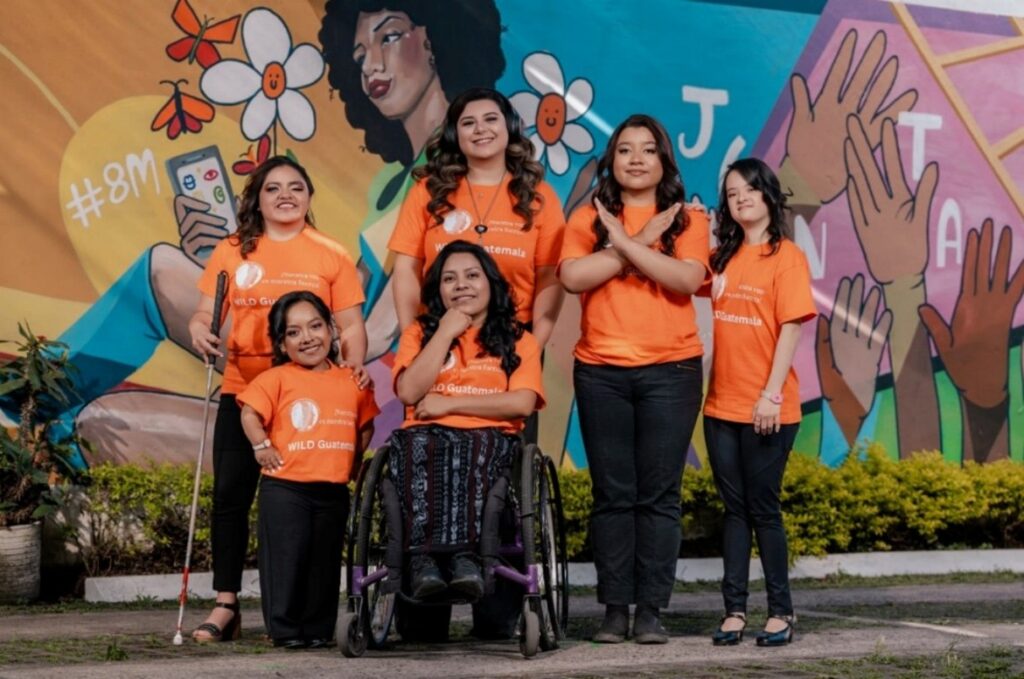
On International Day for the Elimination of Violence against Women, WILD Delegate Pahola Solano led a workshop for 22 Guatemalan women with disabilities on legal protections, recognizing abuse, and reporting violence. The training also launched two visibility initiatives: a book and Guatemala’s first calendar featuring women with disabilities. Participants created advocacy action plans and strengthened their understanding of their rights.
One WILD-Guatemala participant reflected: “I’m leaving different than when I arrived because now, I know my rights better.”
Read more about WILD-Guatemala.
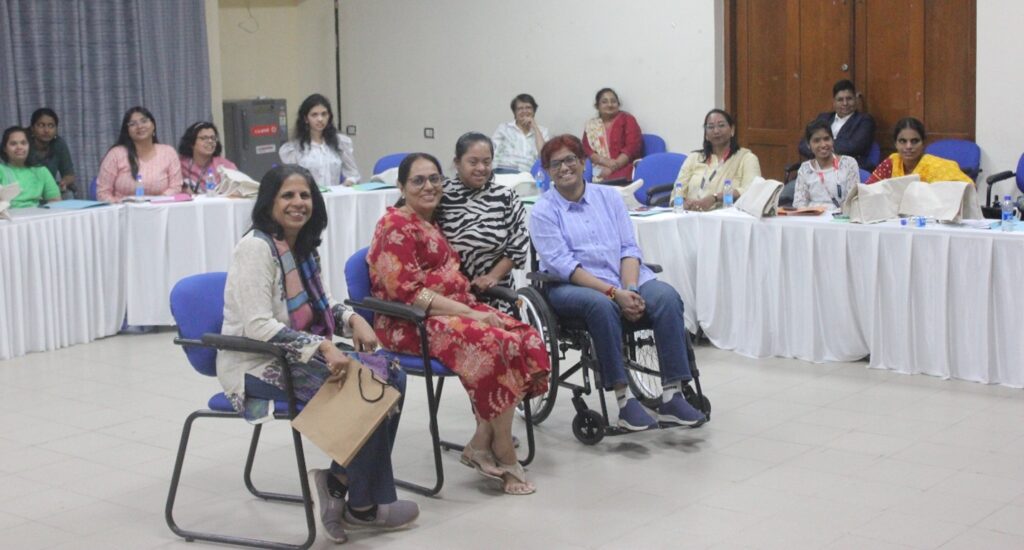
WILD Trainer Riza Reji, supported by her personal advocate, led a lively WILD training in India which brought together 23 women with disabilities for a one-day training focused on media advocacy, inclusive education and livelihoods, mental well-being, safety and communication skills. The training also incorporated creative empowerment activities such as theatre and art-making.
The training created a space for learning, reflection, connection, and empowerment, equipping women with knowledge, confidence, and a supportive network to continue their journey as leaders and advocates within the disability community.
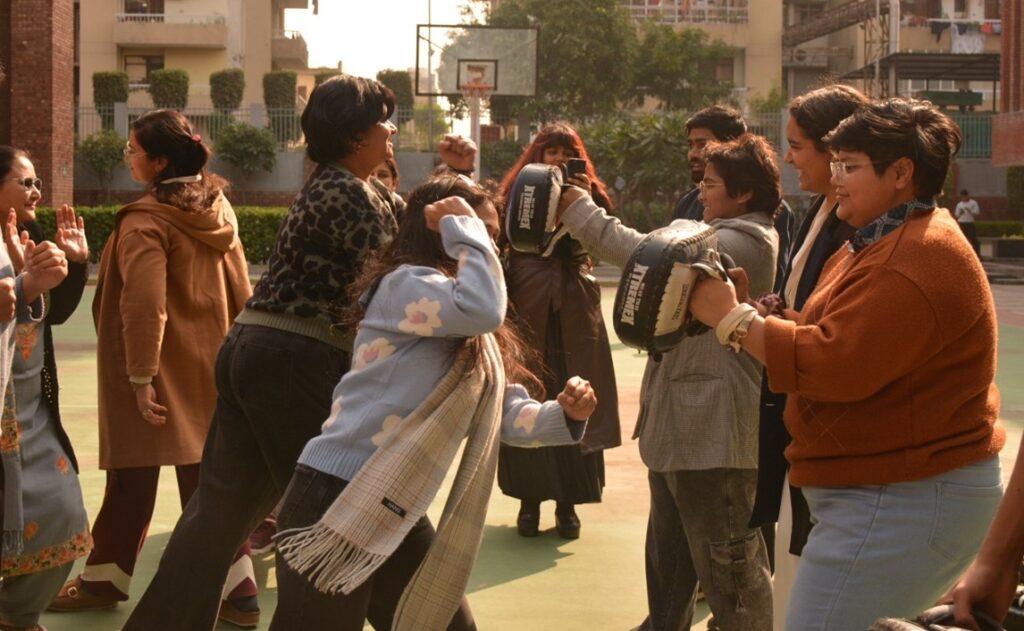
In India, WILD facilitator Muskan Bhatia led a one-day leadership and empowerment training for 25 women with disabilities in Delhi, focusing on feminist leadership, disability justice, well-being, and collective care through participatory discussions and self-defense workshops.
Participants developed Action Plans to support their communities, including accessible reproductive health education and inclusive mental health support groups.
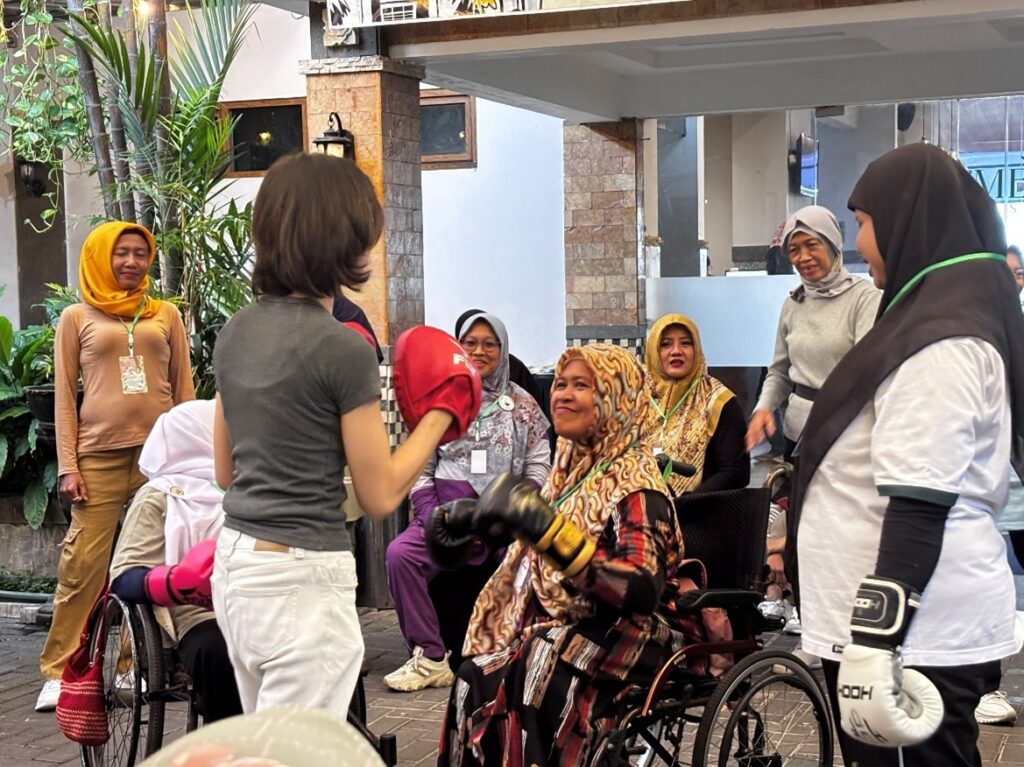
In Indonesia, WILD Delegate Aisyah Ardani led a three-day leadership and advocacy training for 24 women with disabilities focused on disability leadership, self-defense, AI, and cybersecurity.
A highlight of the training was the empowering Muay Thai self-defense session. The “Fierce Combat” coach demonstrated techniques the women could use to protect themselves, adapted for participants of all disabilities, and then handed out colorful boxing gloves for some Muay Thai combat exercises. Participants took turns practicing their punches with the coach and excitedly cheered each other on when they landed a strong hit.
Reflecting on the experience, Aisyah shared: “The experience was challenging, yet precious. Many unexpected things happened, even before the event… So, I learned a lot about making decisions between participants’ preferences, needs, and our limited resources… [I] hope to have more opportunities to grow with them [the facilitator team] and our disability community members.”
Read more about WILD – Indonesia.
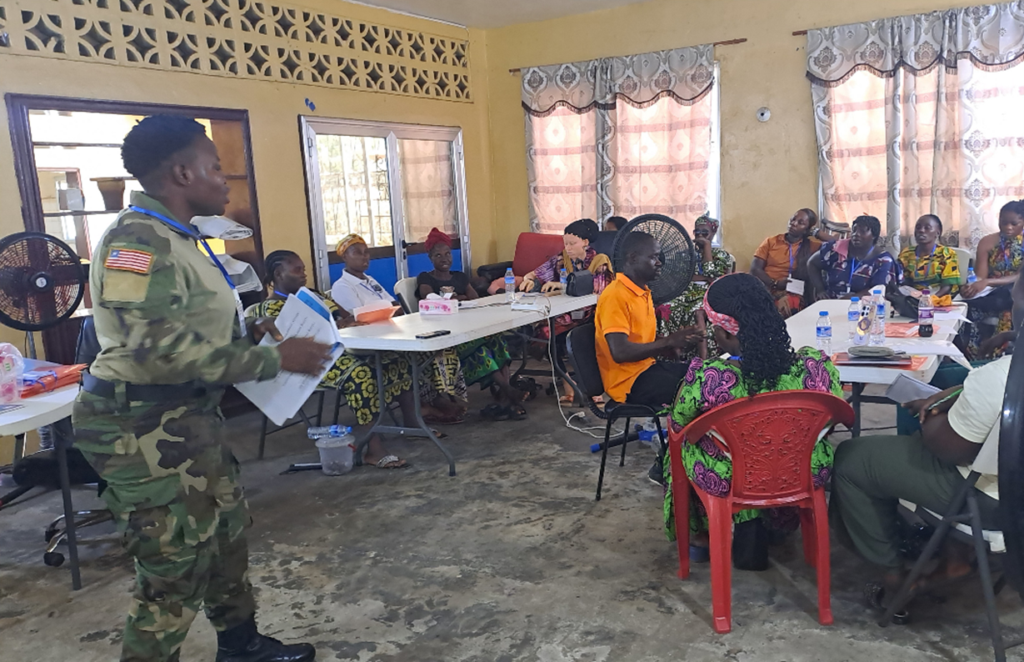
In Liberia, WILD facilitator Bindu Patience Butler led a training for 20 women with diverse disabilities on leadership, women’s health, comprehensive sexuality education, self-defense, and disability rights, supporting participants to build confidence and develop action plans for advocacy, education, and inclusion.
Bindu reflected on the impact, “Implementing the WILD-Liberia training was an inspiring and emotional experience for me… Many shared personal stories for the first time, creating trust and unity.”
Follow-on actions include a WhatsApp platform for ongoing peer support and continued collaboration with partners such as the Inclusive Development Initiative and the Liberia Deaf Association to sustain advocacy and capacity building.
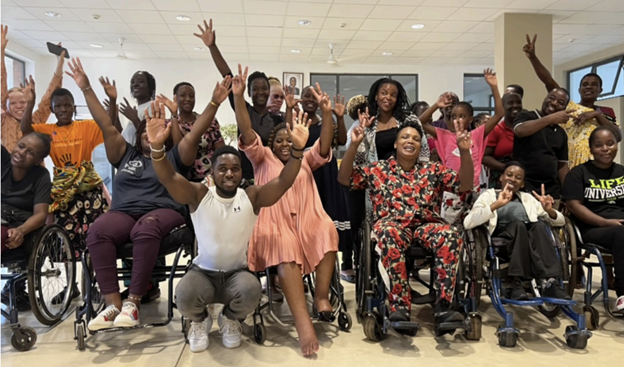
Julie-Marie Chibekete led a WILD-Malawi training for 20 women with disabilities focused on sexual and reproductive health, leadership, and self-advocacy. Her training also included adaptive yoga and aerobics as empowerment activities that promoted physical wellbeing and inclusion.
Participants developed Action Plans focused on disability rights, education, economic independence, and community advocacy, while the training strengthened confidence, bodily autonomy, and leadership skills.
Reflecting on the experience, Julie-Marie shared: “The training demonstrated that inclusive, joyful, and rights-based leadership spaces can transform how women with disabilities view themselves and their futures.”
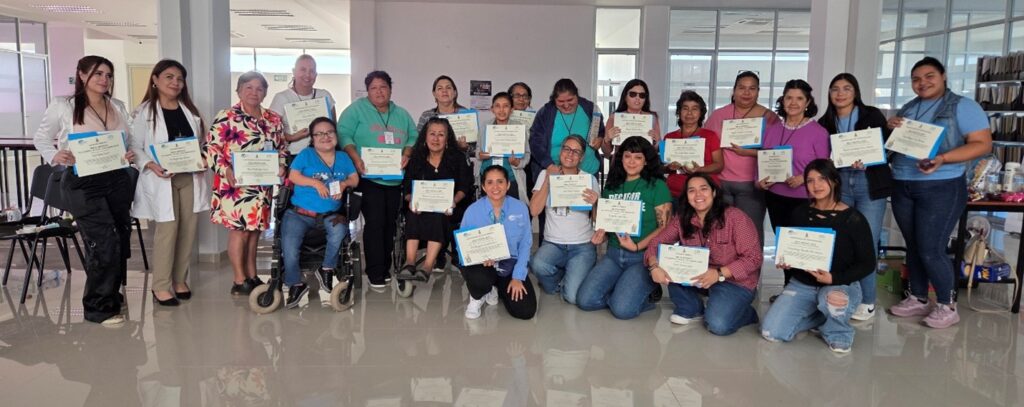
In Sinaloa, Mexico, Mily Castro led a one-day WILD-Mexico training for 20 women with disabilities focused on human rights, leadership, sexual and reproductive health, violence prevention, and access to pleasure.
The training significantly shifted participants from passive recipients of care to active agents of their own bodies. A key outcome was strengthened collaboration between women with disabilities and community partner organizations, alongside grassroots leaders, creating a new model for inclusive engagement in Sinaloa.
Reflecting on the impact, one participant shared: “Today I learned that my pleasure is a right, not a sin. I am a woman first, and my disability does not negate my dignity.”
Next steps include a 6-month and 1-year WhatsApp-based follow-up system to track Action Plan progress and a planned “WILD Advocacy Day” in 2026 to present participants’ recommendations to local authorities.
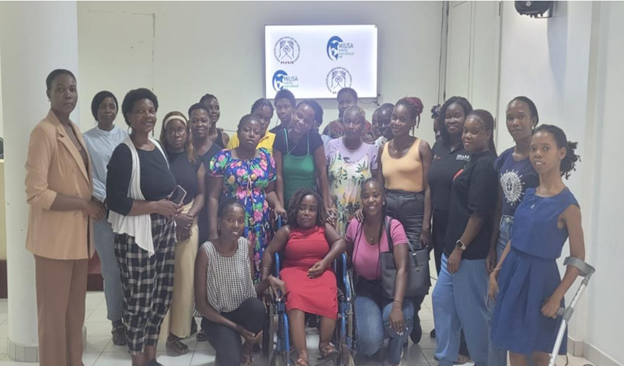
Leta Timbane led a one-day WILD-Mozambique training, which brought together 20 women with disabilities. The training focused on bodily autonomy, sexual and reproductive health, violence prevention, disability rights, and activism.
After the training, Leta reflected, “The Mozambican Association of Deaf Women (AMAMUS) is established nationwide…I would like to replicate this WILD training in other parts of the country, in order to help other women who did not have the opportunity to participate in the training held in Maputo, the capitol.”
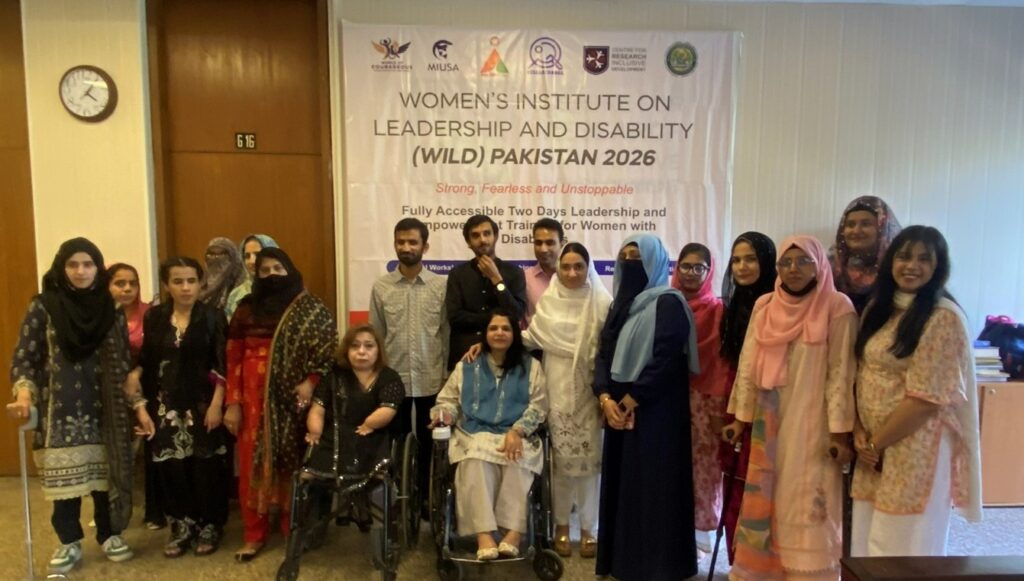
The WILD training in Pakistan brought together 21 women with disabilities for a two-day training focusing on leadership, legal rights and advocacy, professional development, and climate change through hands-on recycling and entrepreneurship activities.
Participants reported increased confidence, stronger awareness of disability rights laws, and practical skills for community engagement and income generation, particularly through the climate change and upcycling exercises.
As trainer Amina Javed noted, “the most significant outcome of the training was the high level of enthusiasm and engagement among participants,” reflecting the strong impact of the cross-disability, women-only learning space.
Next, Amina is planning to expand future WILD trainings to additional provinces such as Balochistan and Chitral, and conduct longer and more intensive programs on sustainability and recycling.
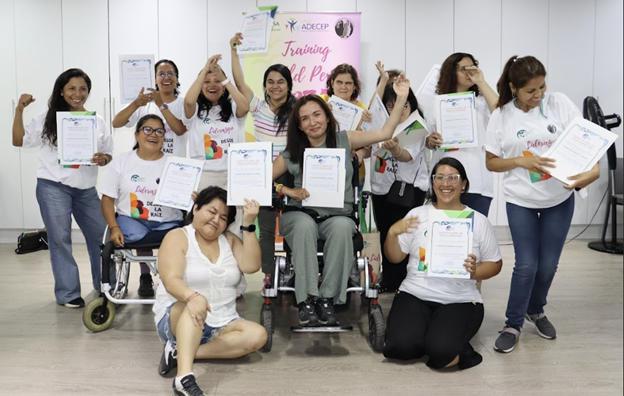
In Peru, WILD facilitator Vivians Carrión led a leadership training for 12 women with disabilities that combined feminist leadership, community advocacy, kundalini yoga, peer support, and Action Plan development in a fully accessible environment with sign-language interpretation. Participants described feeling welcomed, empowered, and reconnected to their leadership journeys, with several developing community-focused Action Plans centered on inclusion and peer support.
Reflecting on the experience, Vivians shared: “This training confirmed the demand for disability-led, women-centered leadership spaces in Peru.”
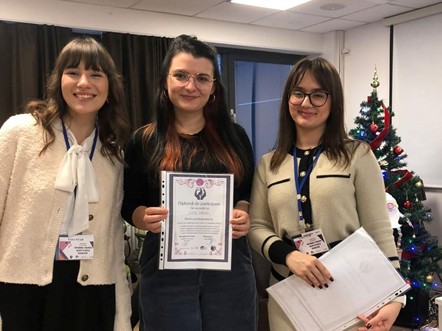
In Romania, WILD facilitator Madalina Gheorghe led a hybrid, three-day training for 20 women with disabilities focused on leadership, resilience, violence prevention, and advocacy through workshops, self-defense, and sensory theatre activities.
Madalina reflected on her biggest takeaway from the training, “One of the most significant achievements was empowering women with disabilities by providing them with accessible information about the institutions available to support them”.
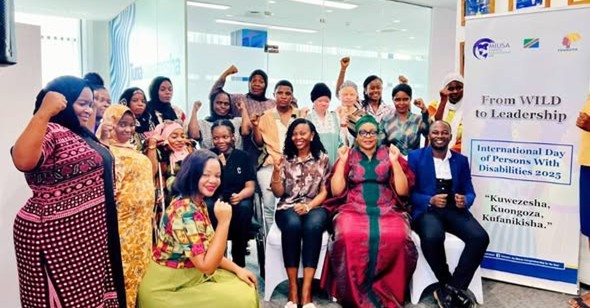
In Tanzania, WILD facilitator Aneth Gerana organized a training for 20 women with disabilities focused on leadership, economic empowerment, legal rights, and women’s health, complemented by inclusive exercise sessions and peer learning that strengthened confidence, self-reliance, and well-being. Participants developed Action Plans centered on entrepreneurship, advocacy, education, and community leadership, while also building strong peer networks and practical skills to challenge discrimination and take on leadership roles.
One of the key outcomes was improved knowledge of legal rights, inclusive justice systems, and reasonable accommodation. Participants gained practical skills on how to use inclusive mediation and advocate for accessible services in health, legal, and community settings.
Reflecting on the impact, one participant shared: “I learned that I have rights and that I can speak for myself with confidence.”
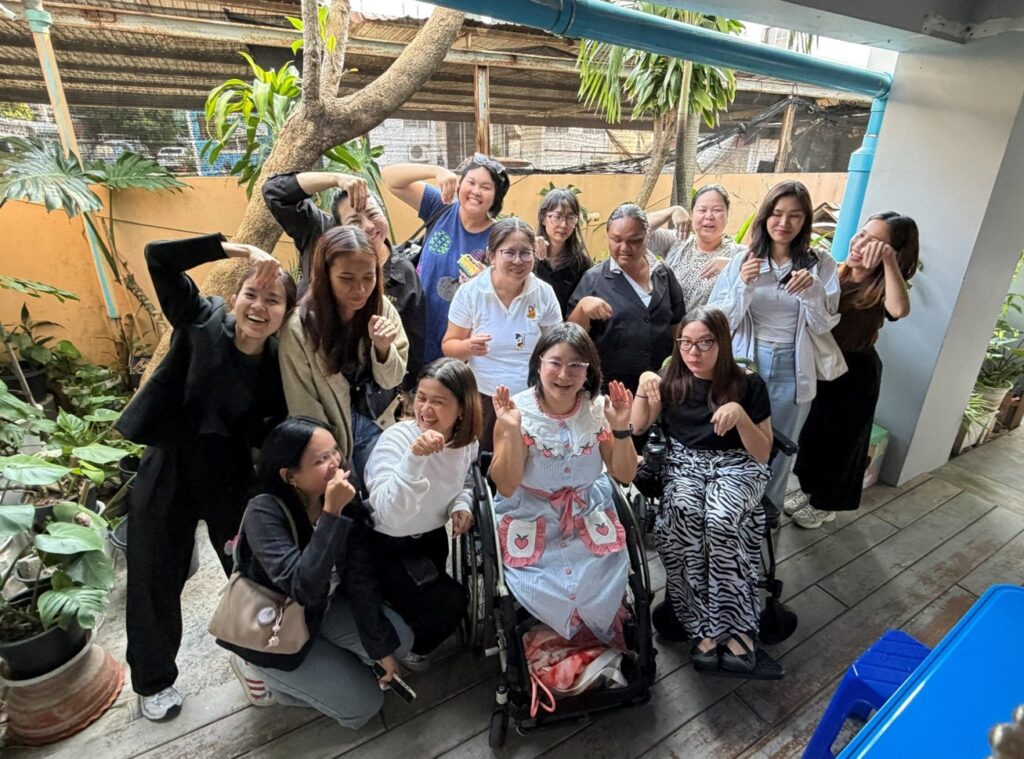
Nalutporn Krairiksh led the WILD-Thailand which training brought together 17 women with disabilities in Bangkok to explore identity, sexuality, and safe spaces through disability-specific group discussions, sexual health education, and an inclusive body-mapping activity.
Participants strengthened their understanding of bodily autonomy, relationships, and sexual well-being, while also challenging stigma and communication barriers, especially for Deaf participants who highlighted gaps in Thai Sign Language for medical and sexual health terms.
As trainer Nalutporn reflected, “the atmosphere shifted towards enjoyment, and participants began to feel proud of the ‘cute’ and ‘special’ qualities of their own bodies,” showing a clear boost in confidence and self-acceptance.
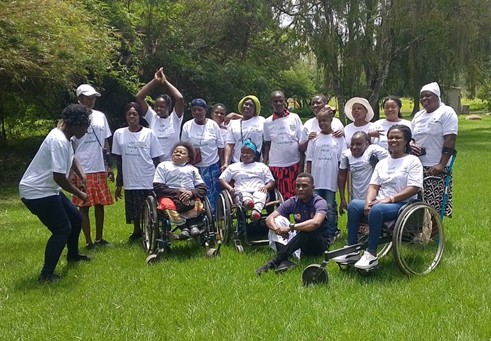
In Zimbabwe, WILD facilitator Senzeni Mutevedzi led a two-day training for 20 women with disabilities focused on leadership, women’s health, wellness, safety, and physical empowerment through Zumba. Participants strengthened confidence, leadership awareness, and peer networks, with all participants developing Action Plans centered on education, entrepreneurship, advocacy, and community leadership.
This training proved that when rural women with disabilities are given space, information and resources, they emerge as powerful leaders driving change in their communities.
Reflecting on the impact, one participant shared: “I used to think leadership was for educated people in towns, but now I understand that even as a rural woman with a disability, I can lead change in my community.”
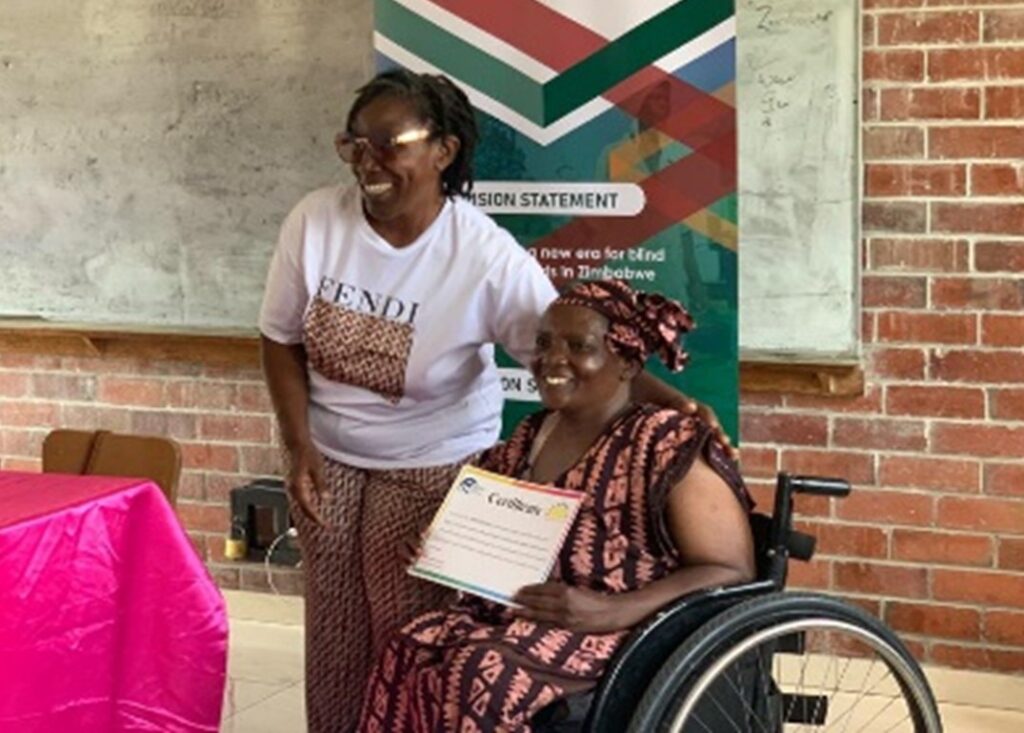
In Zimbabwe, WILD facilitator Jules Daudi led a three-day training for 20 women and girls with disabilities focused on leadership, inclusive education, women’s health, wellness, and safety. The training also included practical activities such as inclusive shopping, gym-based fitness, and self-defense. The training significantly strengthened participants’ confidence, self-advocacy, and understanding of rights, with many reporting a shift toward seeing themselves as leaders and change-makers.
Reflecting on the impact, Jules Daudi shared: “The training demonstrated the importance of creating safe, inclusive spaces where women and girls with disabilities can learn, reflect, and build skills that empower them to take on leadership roles in their communities.”
Next steps include ongoing mentorship for participants as they implement their Action Plans, a shared progress calendar to track community initiatives, and the upcoming broadcasting of a documentary produced during the training to amplify disability inclusion advocacy.
________________________________________________________________
MIUSA is honored to support the important and passionate work of our WILD alumni, who are changing the lives of girls and women and girls with disabilities across the globe.
The 2025-26 WILD small grants program was made possible through the generous support of the Conrad N. Hilton Foundation, John D. and Catherine T. MacArthur Foundation, Channel Foundation, Fanny Bess Philanthropic Fund, Western Digital, MADRE, Rotary Club of Eugene, University of Oregon, Strategy for Humanity Education Fund, and MIUSA’s Women’s Leadership Fund. The 2025 WILD program was also supported by national and local organizations and businesses, as well as homestay families and volunteers.
Do you want to support MIUSA’s future work with powerful, disabled women? Donate to MIUSA’s Women’s Leadership Fund here.